expert solutions for squirrel removal that you can trust
A Guide to Wildlife Control: Key Strategies and Dead Animal Removal Services
Animal control involves strategies designed to manage animal populations and guarantee safe environments. Being aware of the influence of frequent animal intruders is vital for residents. Proper preventive measures can significantly minimize the likelihood of animal intrusions. Furthermore, the prompt disposal of deceased animals is essential for maintaining health and safety. Despite this, many people lack awareness of the critical factors in successful wildlife control and the necessity of professional intervention. What actions should be pursued to secure residences and surrounding communities?
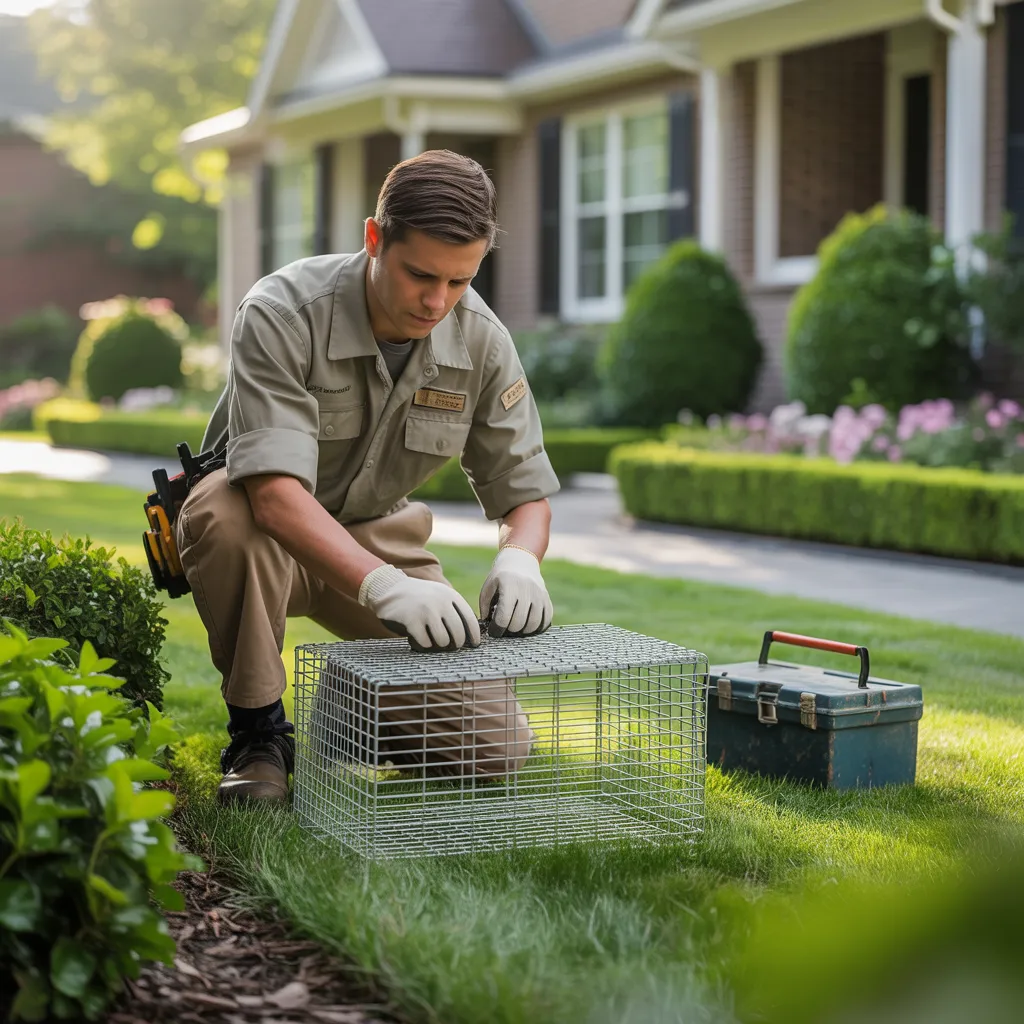
What Is Wildlife Control and Why Is It Essential?
Wildlife control includes numerous strategies aimed at managing animal populations and their interactions with human environments. This discipline is critical for balancing ecological systems and minimizing conflicts between wildlife and people. Proper wildlife management helps protect public health by minimizing the threats connected to zoonotic illnesses, which can be transmitted from animals to humans.
Moreover, it preserves farming concerns by managing species that could harm agricultural resources. By employing compassionate approaches, wildlife regulation promotes harmonious living, ensuring that both human needs and animal welfare are prioritized.
Furthermore, it works to protect natural diversity by controlling intrusive species that can destabilize native ecosystems. Ultimately, animal control is critical not only for boosting safety and decreasing property damage but also for supporting a sustainable connection between humanity and the environment.
How Frequent Wildlife Intruders Harm Your Home
Typical wildlife pests create major hazards for households, causing structural deterioration that can weaken a building's foundation. These animals are also known to pollute insulation materials, producing harmful conditions for those living inside. Moreover, the existence of these intruders creates significant electrical safety issues, as they may chew through wires, increasing the risk of fires.
Structural Harm Hazards
The occurrence of wildlife pests may result in significant structural damage in homes. Animals such as raccoons, squirrels, and rodents often exploit vulnerabilities in building exteriors, creating entry points that compromise structural integrity. Raccoons, as a prime example, are capable of ripping away roof materials and harm insulation, while squirrels can nibble on electrical wiring and wooden beams, elevating the danger of fire-related incidents. Furthermore, tunneling animals can destabilize foundations by excavating burrows, increasing the likelihood of structural collapse. As time passes, these openings can permit moisture infiltration, causing mold proliferation and timber deterioration. Residents ought to be watchful for indicators of animal intrusion to prevent costly repairs and guarantee the safety and longevity of their properties. Swift action is necessary comprehensive resource to address these threats.
Insulation Contamination Issues
Insulation acts as a vital defense against temperature variations, but it can easily become compromised by invading wildlife. Creatures such as rodents and wild animals can destroy insulation materials, establishing routes that permit additional intrusion into home frameworks. Their habitation tendencies commonly cause the insulation to be soiled with droppings, waste, and other materials, causing significant contamination. This not only compromises the insulation's efficiency but also presents health concerns from potential contact with harmful microorganisms. Additionally, decaying animal carcasses can emit unpleasant odors and attract further pests. Property owners should tackle insulation contamination quickly to preserve both energy performance and indoor air quality, emphasizing the importance of effective wildlife control and remediation measures.
Electrical Hazard Concerns
How do wildlife pests lead to electrical dangers in residential properties? Common wildlife, such as rodents and birds, can cause significant damage to electrical systems. Rodents especially are notorious for chewing through wires, leading to exposed conductors and the risk of short circuits. This creates not only a fire hazard but also elevates the risk of electrical shock for residents. In addition, nesting materials left by birds can clog ventilation systems or collect near electrical panels, significantly raising fire hazards. Beyond this, wildlife can bring moisture into the home through burrows or droppings, fostering conditions that promote corrosion and electrical failure. Managing these dangers through comprehensive wildlife control and consistent inspections is vital to ensuring a safe and secure living space.
How to Spot Signs of Wildlife Around You
Detecting signs of animal presence is critical for efficient mitigation methods. Common indicators include prints, characteristic sounds, and peculiar scents that can signal the intrusion of animals. Identifying these indicators promptly can aid in reducing possible property damage.
Frequent Animal Tracks in the Wild
A large number of outdoor enthusiasts discover that recognizing common wildlife tracks is essential for comprehending the dynamics of local ecosystems. Tracks vary by species, with distinctive shapes and sizes. As an illustration, the tracks of deer appear heart-shaped, while raccoon prints exhibit a hand-like appearance with elongated fingers. Tracks from canines like coyotes tend to show an oval form with clearly defined claw marks. Observing the spacing between tracks can also provide clues about the animal's size and movement speed. Moreover, recognizing claw patterns can aid in telling various species apart; as an example, bobcat prints are characterized by an absence of visible claw marks, in contrast to those of a dog. Understanding these details aids in wildlife observation and conservation efforts, enriching the appreciation of nature.

Noises and Odors
Detecting wildlife existence often goes further than visible signs like tracks; auditory and olfactory cues play important roles as well. Audio signs such as movement in the shrubbery, clawing inside walls, or nighttime chattering can suggest animals searching for food or refuge. Every animal type generates characteristic sounds, assisting in pinpointing the likely animals involved. Scents likewise deliver essential information. A stale scent may point to a obscured animal dwelling, while a foul odor could reveal a dead animal nearby. Recognizing these sensory indicators allows homeowners to act quickly. By staying alert to both sounds and smells, residents can properly determine wildlife activity and initiate appropriate control measures before the issue intensifies.
Pest and Wildlife Control: Essential Tactics for Keeping Animals at Bay
Stopping wildlife intrusions calls for a thoughtful method that merges wildlife behavioral insights with practical deterrent strategies. Homeowners are advised to initially assess vulnerable entry areas, such as openings in walls, roof spaces, or crawl spaces, and close them off to block entry. Consistent upkeep of the premises, including tidying up refuse and safely containing rubbish, can discourage wildlife in search of nourishment.
In addition, using organic deterrents like motion-activated lighting or sound systems can deter unwanted wildlife. Landscaping decisions also contribute; incorporating native plants and keeping a well-maintained yard can lessen the draw for numerous species. Raising awareness among residents about local wildlife tendencies improves awareness and encourages proactive steps.
The Significance of Professional Wildlife Control Services
When wildlife disturbances go beyond what homeowners can manage on their own, expert wildlife control services emerge as a critical resource. These specialized services offer expertise in identifying and addressing a wide range of wildlife issues, providing both protection and conformity with local laws. Trained professionals utilize humane trapping methods and exclusion techniques to reduce the effect on surrounding ecosystems while successfully addressing wildlife conflicts.
Additionally, these companies often conduct detailed assessments of residences to pinpoint potential risk areas that may invite future intrusions. By using specialized tools and strategies, they can tackle the root origins of wildlife problems, rather than merely treating symptoms. This proactive approach not only safeguards homes but also encourages coexistence with local wildlife. In the end, hiring professional wildlife control services guarantees that homeowners can handle intricate wildlife issues with safety and efficiency, limiting risks to property and personal safety.
The Importance of Dead Animal Removal
Having dead animals present on a property can pose significant health risks and attract unwanted pests. Decomposing carcasses release harmful bacteria and pathogens, which can pollute soil and water supplies, jeopardizing human and animal health. Furthermore, the smell coming from a decomposing carcass can disturb the living conditions of neighboring residents and generate an uncomfortable atmosphere.
Moreover, dead animals can function as a attractant for scavenging creatures, including vermin and insects, resulting in secondary infestations. This can turn into larger problems, necessitating broader pest control measures. Prompt removal of dead animals is critical to mitigate these risks and bring safety back to the surrounding area.
Expert deceased animal removal solutions are prepared to manage these circumstances effectively, guaranteeing appropriate disposal and thorough sanitation. By tackling the problem promptly, property managers can preserve their health, maintain the balance of local ecosystems, and copyright the condition of their environment.
What to Look for in a Wildlife Control Service?
Professional wildlife control services are essential for preserving a safe and healthy environment, particularly following concerns like dead animal removal. When seeking a wildlife control service, several key factors should be considered. First, verify the company is licensed and insured, as this confirms their legitimacy and protects against liability. A strong background in the field is indispensable; a business with a demonstrated history of success is better equipped to address diverse wildlife concerns.
Additionally, inquire about their techniques for pest and animal removal, making sure they practice ethical and eco-friendly methods. Client reviews and testimonials can provide insight into the provider's reliability and effectiveness.
In addition, a trustworthy provider should provide a comprehensive evaluation and follow-through to avoid subsequent wildlife intrusions. By assessing these factors, individuals can select a wildlife management provider that focuses on efficiency, safety, and responsible methods.
Common Questions and Answers
What Are the Laws and Regulations Governing Wildlife Control in My Area?
Legal regulations for controlling wildlife vary by location, typically mandating permits for trapping and relocation. Local wildlife agencies provide guidelines, promoting humane care and adherence to conservation regulations to protect both animals and ecosystems.
What Is the Safe Way to Handle a Dead Animal on My Property?
To safely handle a dead animal, you should wear gloves, use a shovel for removal, place the body in a double bag, and remove it following local disposal regulations, guaranteeing proper sanitation and reducing potential health risks.
What Are the Expenses Involved in Wildlife Control Services?
Wildlife control service costs can vary significantly, usually spanning from $100 to $1,500. Elements that affect the cost include the type of wildlife, degree of the wildlife problem, and necessary removal methods or preventative measures employed.
Is It Possible for Wildlife Control to Completely Prevent Future Infestations?
Professional wildlife management can substantially decrease the probability of future infestations through preventive measures, but there is no guarantee of absolute protection. Continuous oversight and upkeep are necessary to reduce potential threats and handle emerging problems in a timely manner.
Which Types of Animals Need Specialized Removal Methods?
Certain animals, among them raccoons, bats, and snakes, require specialized removal techniques due to their unique behaviors and potential health risks. Qualified professionals must use particular approaches to guarantee safe and humane handling throughout the removal procedure.